
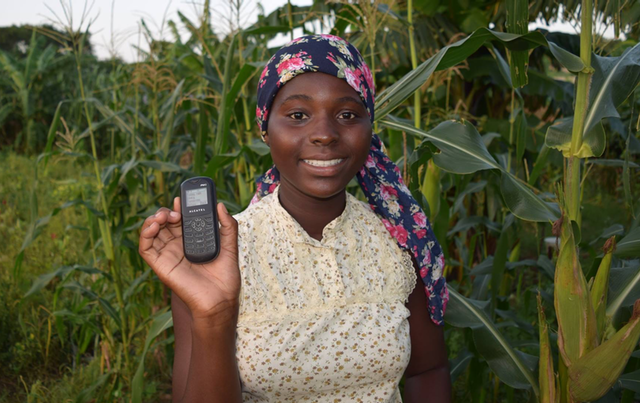
What is e-Agriculture Strategy?
An e-Agriculture strategy is using innovative digital technology solutions like precision agriculture, drones, big data, predictive analytics, and blockchain to improve social and economic outcomes for smallholder farmers.
e-Agriculture programs aim to increase food security by helping smallholder farmers improve modern ICT4Ag farming methods and access to markets. Agricultural ICT4D strategies encompass the full agricultural value chain and includes adjacent technologies like digital financial services and geographic information systems.
Communication in Agriculture
Smallholder farmers have limited knowledge, services, and technologies available to them. They typically need support to adopt modern farming methodologies.
Agriculture technology solutions focus on extension services for farmers to adopt new technologies and innovation. ICTs can amplify the efforts of the extension agents to help farmers plan what crops to grow, source inputs for crop cultivation, and selling their produce in local market.
Chatbots offer an exciting opportunity for governments to engage farmers on the social media platforms where farmers already congregate. For example:
- Facebook chatbots are a popular way to answer basic questions or help farmers apply for government support services.
- SMS text message chatbots can also help private sector companies develop new business leads and educate extension agents on their services.
ICT communication tools can play a crucial role in supporting farmers to access new inputs, credit, and markets with personalized and customized services.
Examples of e-Agriculture Programs
The potential to achieve high impact at the farm-level requires appropriate technology and adoption methodologies. International development organizations can use e-Agriculture communication programs like those below to support ICTforAg value chain ecosystems in developing countries.

6 Digital Agriculture Opportunities in 47 sub-Saharan African Countries
Sub-Saharan Africa has the largest area of arable uncultivated land in the world and a youthful population of almost 60 percent under the age of 25, which is expected...

USAID Resilience and Food Security Digital Strategy Action Plan
The application of digital technology within resilience and food security sectors has both sectorally unique elements, as well as some commonalities. Digital technologies...

Apply Now: €30,000 for African Digital Climate Change Innovations
According to the World Bank, West Africa is particularly vulnerable to climate change. The region will be buffeted by severe and extreme weather pattern changes...

Managing Stakeholder Expectations in Agriculture Technology Projects
Many ICT4Ag digital design processes involve diverse stakeholders, such as researchers, farmers, governmental organizations, or donor agencies. While each stakeholder...

Please Register Now: ICTforAg 2022 – The Digital Agriculture Conference
Join industry leaders and practitioners from around the globe at ICTforAg 2022 for two days of thought-provoking discussions on March 9-10, 2022 as we delve into...

US Global Food Security Strategy Gets A Digital Development Upgrade!
The new U.S. Government Global Food Security Strategy (GFSS), from 2022-2026, has recently launched with some notable changes when it comes to digital development....

Apply Now! $2 Million for Smallholder Farmer AgriTech Solutions
Agriculture is by far the most important economic activity in Africa, employing about two-thirds of the continent’s working population. Yet agricultural productivity...

Apply Now: $17,000 Agriculture Satellite Data Machine Learning Challenge
The agricultural sector makes a substantial contribution to GDP and livelihoods across the developing world. However, regular and reliable agricultural data remains...

Apply Now: €2.7 Million West African Digital Agriculture Innovations Grants
West African countries face key climate change challenges, including sustainable use and management of biodiversity, and responsible production and consumption...

Apply Now: $300,000 for USAID Digital Agriculture Ecosystem Assessments
Digital agriculture solutions for weather-based insurance, pest diagnostic, agronomic advice, and crop monitoring can revolutionize yields and income for smallholder...
About Us
ICTworks™ is the premier resource for international development professionals committed to utilizing new and emerging technologies to magnify the intent of communities to accelerate their social and economic development.
Subscribe to our Newsletter
Enter your e-mail to get ICTworks 3x a week!:
Become an ICTworks Writer
Our team gladly accepts outside contributors for ICTworks articles. If you would like to publish an article on our website, please see our Guest Post Guidelines
 This work is licensed under a Creative Commons Attribution-NonCommercial-ShareAlike 4.0 International License.