
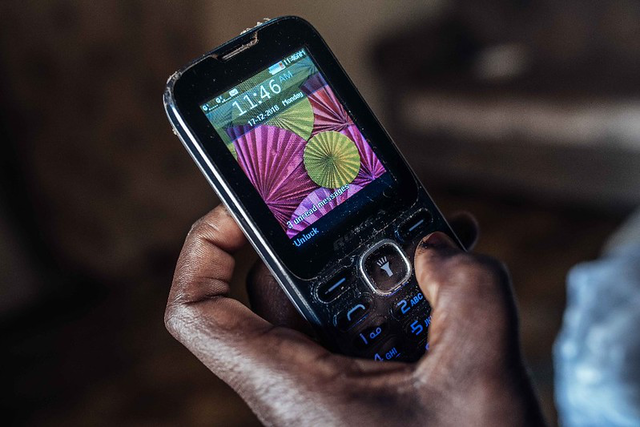
How can mobile phones help poor people?
Mobile phones can be used in ICT4D (Information and Communication Technologies for Development) to help poor people.
Mobile phones can be a powerful tool for promoting development and improving the lives of people in developing countries, by providing access to information, opportunities, and services. For example:
- Healthcare: Mobile phones can be used to access health information and services, including telemedicine and other remote healthcare services. This can help to improve access to healthcare, especially for people in remote or underserved areas.
- Education: Mobile phones can be used to access educational resources, including online courses, educational videos, and other materials. This can help to improve the quality of education and expand opportunities for learning.
- Employment: Mobile phones can be used to find and apply for jobs, as well as connect with potential employers and clients. They can also be used to start and run businesses, providing a source of income and economic opportunities.
- Communication: Mobile phones can be used to stay connected with friends and family, and to access news and information from around the world. They can also facilitate the exchange of ideas and facilitate collaboration with others.
- Political participation: Mobile phones can provide a platform for people to engage in political discourse and participate in the democratic process, helping to promote transparency and accountability in governance.

mEducation First Step in Myanmar: Paving Cow Paths
In the technology world, “paving cow paths” means automating a business process as it exists in the analog world, without analyzing whether or not that...

4 Ways to Properly Include Women in Your mHealth Initiative
Social norms and stigmas often lead to men owning mobile phones more often than women in many parts of the developing world. Sometimes when a woman does happen to...

Accept the Smartphone Reality in Development. Everyone Else Has
Recently, Elvis Mushi of Twaweza, shared with me interesting mobile phone survey results from his Sauti za Wananchi program. I find them remarkable in two ways....

Is Selling Mobile Phone Airtime Really Entrepreneurship?
Ooredoo and the Cherie Blair Foundation for Women made a Clinton Global Initiative commitment to enable 30,000 women by 2016 to become entrepreneurs by selling...

Myanmar Will Be the First Smartphone Only Country
Today, Myanmar has the same mobile phone usage as North Korea, Eritrea, and Cuba – less than 10% – with only the urban elite owning smartphones, and mobile...

New USAID Handbook: How to Integrate Mobile Solutions into Development Projects
The rapid explosion of mobile phone access globally, which has extended to even some of the most remote communities, has set off a rush of interest in trying to...

mWomen: Where Mobile Tech and Women Intersect
If you’re active on Twitter you’ve probably come across the hashtag #mWomen. mWomen is a new tagline referring to mobile tools and programs centered on the...

8 Recommendations for Successful Development and Technology Organization Partnerships
In the ICT4D world we all talk often about working with the private sector, collaboration and partnership with technology companies. The truth is that beside the...

Please RSVP Now: How Can mEmployment Improve Youth Opportunities in Africa?
Please RSVP Now
Africa has the youngest population in the world with +200 million people ages 15-24 years, which is set to double by 2045. However, youth unemployment...

An African LTE Mobile Network Future
This entry is part 4 of 6 in my series Africa and Spectrum 2.0
If you follow communication infrastructure in Africa, you would be forgiven if you have begun to...
About Us
ICTworks™ is the premier resource for international development professionals committed to utilizing new and emerging technologies to magnify the intent of communities to accelerate their social and economic development.
Subscribe to our Newsletter
Enter your e-mail to get ICTworks 3x a week!:
Become an ICTworks Writer
Our team gladly accepts outside contributors for ICTworks articles. If you would like to publish an article on our website, please see our Guest Post Guidelines
 This work is licensed under a Creative Commons Attribution-NonCommercial-ShareAlike 4.0 International License.