How ICT4D improves economic development in South Africa
ICT4D is a cornerstone for fostering economic development in emerging economies like South Africa.
ICT4D bridging digital divides and leveraging technology to catalyze growth, innovation, and equity, across many economic disparities. Strategic ICT4D implementations by donor agencies like USAID and Gates Foundation can usher in transformative changes, propelling South Africa towards sustainable development and inclusive growth.
ICT4D in Education and Training
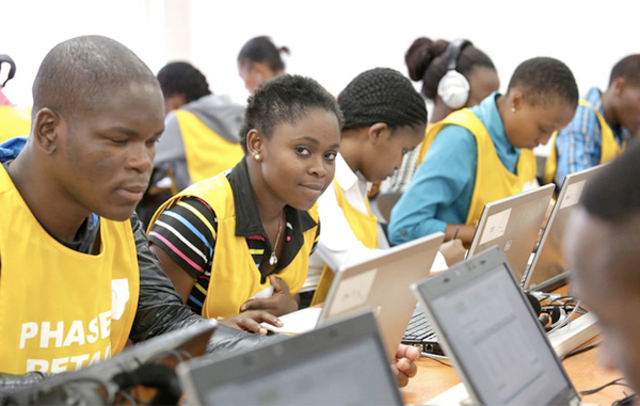
ICT4D can spur economic development through enhancing access to education and training. Digital platforms, e-learning, and mobile education technologies can democratize access to quality education, particularly in remote and underserved communities.
This improves literacy rates and educational outcomes, and equips the workforce with the digital skills necessary for the modern economy, thereby increasing employability and driving economic growth.
ICT4D in Agriculture
ICT4D can revolutionize the agricultural sector, a critical component of South Africa’s economy. Digital tools like precision farming technologies, mobile apps for market price access, and platforms for agricultural advice can significantly increase productivity and sustainability.
These technologies enable farmers to make informed decisions, reduce waste, and access broader markets, thus enhancing food security and rural incomes.
ICT4D Enhancing Entrepreneurship
In entrepreneurship and small business development, ICT4D offers vast opportunities. Digital platforms can lower the barriers to entry for small and medium-sized enterprises (SMEs) by providing access to markets, financial services, and business resources that were previously out of reach.
E-commerce, online marketing, and mobile banking are just a few examples of how technology can empower entrepreneurs, stimulate innovation, and create jobs.
ICT4D in Government
ICT4D can improve governance and public service delivery through e-government initiatives. By digitizing government services, South Africa can enhance transparency, reduce corruption, and make services more accessible to citizens.
This not only improves the business environment but also fosters trust in public institutions, which is essential for economic stability and growth.
ICT4D for Infrastructure
ICT4D can facilitate infrastructure development, particularly in the telecommunications sector. Investing in broadband connectivity and mobile internet access can drive economic development by enabling access to information, facilitating communication, and opening new business opportunities.
This is particularly crucial in rural and underserved areas, where traditional infrastructure may be lacking.
Examples of ICT4D in Economic Development
ICT4D holds immense potential for driving economic development in South Africa. By improving access to education, transforming agriculture, empowering entrepreneurs, enhancing governance, and investing in digital infrastructure, ICT4D can catalyze sustainable growth and bridge economic disparities.
The examples below show how the strategic deployment of technology can fuel economic advancement and lay the foundation for a more equitable, connected, and prosperous South Africa.
s

Apply Now: $50,000 for Internet Exchange Point Infrastructure
Only 38% of Africa’s population used the internet in 2024. Infrastructure bottlenecks that keep costs high and speeds low is a key problem that most development...

15 ICT4D Solutions Transforming Health, Education, Agriculture Sectors in International Development
We’re witnessing a significant shift in how Information and Communication Technology for Development (ICT4D) is reshaping core international development sectors....

6 Insights on African National Data Protection and Security Practices
The Africa Privacy Report encapsulates the outcomes of research endeavors conducted by the Lawyers Hub, focusing on the dynamic landscape of privacy and data protection...

Ranking African Government Artificial Intelligence Readiness
Oxford Insights Government AI Readiness Index aims to provide valuable insights for effective and responsible artificial intelligence integration into public services....

10 Examples of Successful African e-Government Digital Services
What are African e-Government Services?
African countries are implementing a diverse range of e-Government services, aiming to improve service delivery, enhance...

3 Ways Starlink is an Extractive ICT Company in LMICs
Starlink is now the big favorite for Internet access across low- and middle-income countries (LMICs) around the world. Every technologist in developing countries...

AI Funding Trends in Digital Health: Gates Foundation Grant Awards Analysis
The Gates Foundation recently announced the winners of their Grand Challenge for “Catalyzing Equitable Artificial Intelligence (AI) Use.” According to the...

Apply Now: $50,000 MEST Africa Tech Startup Pitch Competition
Investing in early-stage technology startups in Africa presents a unique and compelling opportunity to effect systemic change. The continent is undergoing a transformative...

What Are the Three Pillars That Motivate ICT4D Champions?
The paper, What Motivates ICT4D Champions? seeks to identify the factors that motivate a person who champions ICT4D initiatives. Given the important contributions...

Apply Now: FREE AI for Science Master’s Program for Africans
Artificial intelligence and machine learning in cosmology, epidemiology, and ecology can improve lives across Africa by generating new knowledge, informing public...
About Us
ICTworks™ is the premier resource for international development professionals committed to utilizing new and emerging technologies to magnify the intent of communities to accelerate their social and economic development.
Subscribe to our Newsletter
Enter your e-mail to get ICTworks 3x a week!:
Become an ICTworks Writer
Our team gladly accepts outside contributors for ICTworks articles. If you would like to publish an article on our website, please see our Guest Post Guidelines
 This work is licensed under a Creative Commons Attribution-NonCommercial-ShareAlike 4.0 International License.